Sharda Hospital

SHARDA UNIVERSITY Campus, Plot No. 32, 34, Knowledge Park III, Greater Noida, Uttar Pradesh 201310

Motherland Hospital

NH-01, Amrapali Platinum, Sector 119, Noida, Uttar Pradesh 201305

Dr.Rakesh Kumar

Advanced Sports Injury Care: Recover Faster, Play Better

Sports injuries are a common challenge faced by athletes of all levels. While regular physical activity offers tremendous health benefits, the possibility of injury is always present. With expert care, you can recover safely and return to your sport with renewed strength and confidence.

Consult a Doctor

Sports Injuries

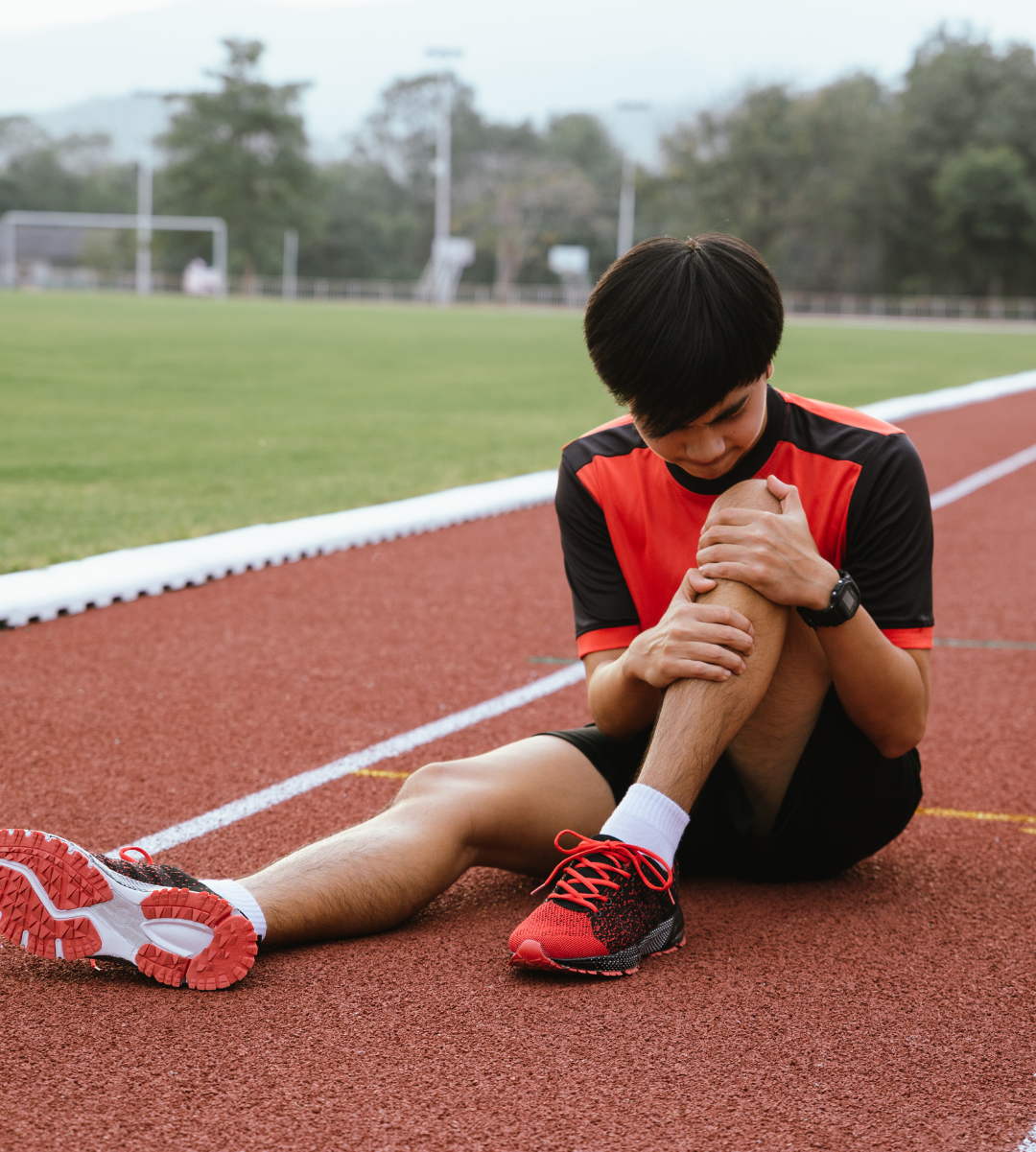
Sports injuries are common conditions affecting muscles, bones, or soft tissues during physical activities. They may include sprains, strains, and fractures that typically heal within weeks or months, as well as longer-lasting problems like tendinitis. Common causes include overtraining, falls, or collisions. While many injuries can improve with rest and home care, proper diagnosis and rehabilitation are essential for a full recovery.

Dr. Rakesh Kumar, one of the leading orthopedic specialists in South Delhi, has extensive expertise in diagnosing and treating sports-related injuries. Using advanced techniques and state-of-the-art technology, he provides personalized care for a wide range of conditions, including arthritis, ligament damage, and knee injuries. His patient-focused approach ensures faster recovery, improved mobility, and long-term results.

Know More

About Sports Injuries

It’s not hard to tell when you’ve got a sports injury. You’ll usually get it while playing or working out. You’ll notice when what you’re doing becomes painful. You may also notice other signs of injury.

Common symptoms include:

  • Muscle or bone pain (musculoskeletal pain)
  • Bruises, color changes or swelling that you can see
  • A bone or joint looking out of place (deformity)
  • A hard time moving or putting weight on the body part

The most common causes of sports injuries include:

  • Falls, which account for more than 1 in 4 sports injuries, according to the CDC
  • Training too hard or too long (overexertion) or overestimating your abilities, which can cause injury
  • Direct impact, which includes being hit by sports equipment or running into another player

To diagnose a sports injury, your healthcare provider will start with a physical exam and medical history. They’ll ask you about what happened at the time of the injury and review your symptoms. They might check how your injured body part moves or how it feels when they touch it. Depending on the injury, they might want to look at pictures of the bones or tissues involved.

They’ll get these pictures through imaging tests like:

  • X-ray
  • CT scan
  • MRI

When you first get a sports injury, you can treat it with the RICE method for immediate relief. RICE stands for Rest, Ice, Compression and Elevation. Sometimes, a parent, school nurse or sports medic will apply the RICE method on the field or playground until you can see a healthcare provider. It can help reduce pain and swelling in the acute phase of your injury. But you’ll need different treatment later on.

Many sports injuries can heal at home, though it’s important to have a healthcare provider advise you on your treatment plan. More serious sports injuries may require specialized medical care, like:

  • Pain relief. You may need over-the-counter or prescription pain medications.
  • Closed reduction. A healthcare provider might need to move a joint back into place.
  • Surgery. You might need surgery to repair a tear or fracture, for example.
  • A cast or splint. You may need to wear a cast or splint to hold your tissues in place.

When in doubt, it never hurts to see a qualified healthcare provider about an injury. Repetitive strain injuries, like tendinitis, can sometimes be hard to recognize until you see a provider. You might not realize you have an injury if you can’t connect your symptoms with a specific event. On the other hand, if you have an acute injury, you might not be able to tell how serious it is. Signs to watch for include:

  • Severe pain that isn’t getting better
  • Extreme bleeding, bruising or swelling
  • Obvious deformity, like bones that look out of place
  • You can’t move or use the injured par
The time it takes to recover from a sports injury depends on the type and severity of the injury, as well as other factors: 
 
Injury
Recovery time
Minor injury
Heals in a few days or weeks with rest and simple recovery strategies
Broken bone
Can take several months to heal, depending on the type and location of the fracture
Concussion
Can take a few days to several weeks, depending on the severity
Ligament tear
A partial tear could take three months, while a complete tear could take six to twelve months after surgery

Sports Injury Rehabilitation Stages

After initially sustaining a sports injury, it can be easy to want to rush through the recovery process and return to the game. However, taking the time to go through each stage of rehabilitation will help ensure you make a full recovery. At Dua’s Speciality Clinic, our team knows which stage of recovery an athlete should attain and when they’ll be ready to move on to the next. By choosing our staff to administer your physical therapy, you’ll be able to return to your sport with no risk of future injury.

1. Pain and Swelling Reduction

2. Improve Joint Mobility and Range of Motion

3. Regain Your Strength and Endurance

4. Increase Coordination Skills

5. Recovering Sports-Specific Movements

Not all injuries are preventable, but there are some practical steps you can take to reduce your risk:

  • Get trained: When you start a new activity, make sure you learn and practice safe techniques.
  • Gear up: Use the right protective gear and equipment to prevent injuries.
  • Start slow: Warm up and stretch before activity. Gradually increase your level of intensity.
  • Build fitness: A regular fitness routine will help condition your body for various sports.
  • Mix it up: Cross-train or vary your exercise routine. Don’t play the same sport year-round.
  • Know your limits: Listen to your body and don’t push it too far. Allow yourself time to recover.

Risk Factors of Sports Injuries

Sports injuries can occur due to a variety of factors that increase the likelihood of harm during physical activity. Understanding these risks can help in prevention and early intervention. Common risk factors include:

  1. Overuse or Repetitive Stress – Performing the same movements repeatedly without adequate rest can strain muscles, ligaments, and joints.

  2. Poor Training or Technique – Incorrect form during exercises or sports can place excessive stress on certain body parts.

  3. Inadequate Warm-up and Stretching – Skipping proper warm-up routines increases muscle stiffness and risk of injury.

  4. Lack of Physical Conditioning – Weak muscles, low flexibility, and poor endurance make the body more prone to injury.

  5. Sudden Increase in Activity Level – Rapidly intensifying workouts or training without gradual progression can overwhelm the body.

  6. Improper Equipment or Footwear – Using worn-out shoes or unsuitable gear can affect stability and increase strain.

  7. Playing on Unsafe Surfaces – Uneven, slippery, or poorly maintained playing fields raise the risk of falls and joint injuries.

  8. Previous Injuries – Old injuries, if not fully healed, can make the affected area vulnerable to re-injury.

  9. Environmental Conditions – Extreme heat, cold, or humidity can impact performance and safety.

By identifying and addressing these risk factors, athletes and active individuals can significantly reduce their chances of injury while enhancing performance.

WHY US?

Why Choose Dr. Rakesh Kumar

At our clinic, Dr. Rakesh Kumar offers expert care for Sports Injuries. With extensive experience in orthopedic surgery, Dr. Kumar utilizes advanced techniques to ensure a smoother recovery and optimal long-term results.

50,000+

Patients Experience

25,000+

Procedures

1000+

Trauma surgeries

5000

Joint Replacement Surgeries

Check Surgery Cost

We believe in transparency. You can enquire about the Surgery Cost and we will help you with complete detailed treatment process till your recovery.

Frequently Asked Questions About Sport Injuries

How can I treat a sports injury?

Minor sports injuries can often be managed at home using the RICE method — Rest, Ice, Compression, and Elevation — to reduce pain and swelling. Over-the-counter or prescribed pain medications may also help with discomfort. However, more serious injuries may require specialized medical care, including splints, casts, or even surgery, depending on the severity of the condition.

What are the types of sports injuries?

Sports injuries are generally classified into two categories:

  • Acute Injuries – These happen suddenly, such as a sprained ankle, fracture, or dislocation.

  • Chronic Injuries – These develop over time due to repeated stress or overuse of muscles and joints, such as tendinitis or stress fractures.

How Do I Know if My Injury Is Serious?

Many sports injuries share similar symptoms, making self-diagnosis challenging. While minor injuries may heal on their own, more severe injuries often require medical attention.

Warning signs of a serious injury include:

  • A popping or snapping sound or sensation

  • Severe or persistent pain and weakness

  • Difficulty moving or inability to bear weight on the affected area

  • Rapid swelling or bruising

  • Visible deformity in the joint or limb

  • Numbness, tingling, or unusual tenderness

How Can I Speed Up Recovery?

Recovery from a sports injury takes time, and your dedication to the process plays a vital role in healing. Following an appropriate conditioning program can accelerate recovery and lower the risk of re-injury. At the same time, it’s important to avoid certain activities that may cause further damage. Always consult your physician to determine what’s best for your body and condition.

Listening to your body is essential during recovery. Rest, patience, and adherence to your doctor’s recommendations are key to regaining strength and mobility. With the right care and guidance, you can return to your activities safely and confidently.

Can a Torn Tendon/Ligament Heal on Its Own?

With proper care and rest, mild ligament or tendon injuries often heal on their own. However, if a tendon or ligament is torn or ruptured, symptoms may persist and can worsen with continued activity.

Non-surgical treatments—such as rest, physical therapy, and anti-inflammatory medications—can help relieve pain and improve function. In more severe cases, immobilization with a brace or cast, or even surgery, may be required to restore full strength and mobility.

What’s the Difference Between a Sprain and a Strain?

Sprains and strains are among the most common sports injuries, affecting the soft tissues around the joints. Since they share similar causes and symptoms, it can sometimes be difficult to distinguish between the two.

A sprain occurs when a ligament—the tissue that connects bones—is overstretched or torn. Common sites include the knee, wrist, and ankle. A strain, often called a “pulled muscle,” involves overstretching or tearing of a muscle or the tendon that connects it to bone, most frequently in the thigh or groin.

Both injuries typically cause pain, swelling, and limited mobility. However, bruising is more commonly associated with sprains, while muscle spasms may indicate a strain.

Can Physical Therapy Replace Surgery for Sports Injuries?

The need for surgery after a sports injury depends on each individual case. While some patients may be told that surgery is the only option, it’s important to carefully consider alternatives. In certain situations, even a misdiagnosis can lead to unnecessary surgical recommendations. Ultimately, the choice between surgery and conservative treatments should be based on your personal recovery goals and the potential for healing without invasive procedures. A thorough evaluation by a specialist will help determine the best treatment plan for you.

Do Foot Orthotics Effectively Prevent Injuries?

Foot orthotics are often used to improve alignment of the knee, foot, and hip, and can help prevent injuries in certain individuals. They are especially useful for people with structural problems like flat feet, which can place extra stress on the knee. However, their effectiveness largely depends on proper design and fit. Poorly fitted orthotics may worsen symptoms, making accurate evaluation essential to determine whether orthotics are the right solution for a particular condition.

When Can an Athlete Safely Return to the Game?

Determining when an athlete can safely return to sports involves evaluating various factors, including the athlete’s mindset, the potential risk, and their physical readiness. Competing athletes often have a strong desire to return to the game swiftly, but it’s essential to prioritize safety.

A healthcare provider assesses risk versus reward and conducts various tests to determine an athlete’s readiness. Functional tests and a comparison of the injured and non-injured sides can help gauge an athlete’s preparedness for a safe return to sports.

What Our Patients Say​