Sharda Hospital

SHARDA UNIVERSITY Campus, Plot No. 32, 34, Knowledge Park III, Greater Noida, Uttar Pradesh 201310

Motherland Hospital

NH-01, Amrapali Platinum, Sector 119, Noida, Uttar Pradesh 201305

Dr. Rakesh Kumar

Total Hip Replacement Surgery: Regain Mobility and Relieve Pain

Total hip replacement surgery is a well-established procedure aimed at relieving chronic pain and restoring mobility for patients with severe hip joint damage or arthritis.

Consult a Doctor

Hip Replacement

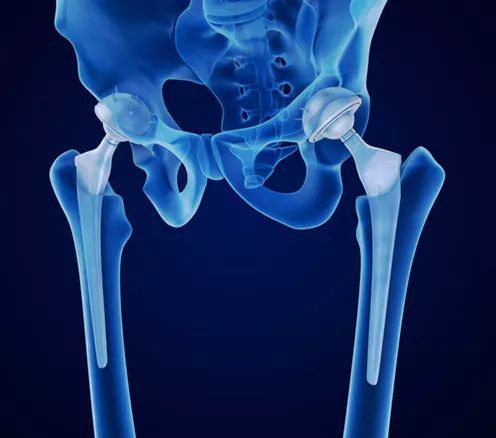
Total hip replacement surgery is a highly effective procedure to relieve pain and improve mobility for patients with hip joint damage or arthritis. Traditional surgery required large incisions and muscle dissection, often leading to longer hospital stays, extended recovery, and more post-operative discomfort.

Minimally invasive hip replacement uses smaller incisions and preserves surrounding muscles and tissues. This results in reduced pain, faster recovery, and shorter hospital stays, making it a preferred alternative to conventional hip replacement surgery.

Know More

About Hip Replacement

Hip joint issues often present with persistent pain, stiffness, or discomfort in the hip, groin, or thigh. Patients may notice difficulty walking, reduced range of motion, and pain during weight-bearing activities such as climbing stairs or sitting.

Key Points:

  • Persistent hip pain, especially with movement or after activity

  • Stiffness in the hip, groin, or thigh, limiting motion

  • Difficulty walking or climbing stairs without discomfort

  • Pain radiating to the knee or lower back

  • Discomfort that persists even at rest or while sitting

Diagnosis begins with a thorough physical examination by your doctor, combined with imaging techniques like X-rays and MRI scans to evaluate the extent of joint damage. This helps determine if hip replacement surgery is necessary or if alternative treatments may be appropriate.

Key Points:

  • Physical examination to assess range of motion and joint function

  • X-rays to evaluate bone structure and detect joint damage

  • MRI scans to examine cartilage and soft tissues

  • Blood tests to rule out infections or other conditions

  • Detailed medical history to understand symptoms and activity levels

In minimally invasive hip replacement, small incisions are made to access the hip joint. Damaged cartilage and bone are removed, and an artificial joint made of metal, ceramic, or plastic is implanted. This approach minimizes tissue disruption, allowing for faster recovery and reduced post-operative pain.

Key Points:

  • Small incisions for a minimally invasive approach

  • Removal of damaged bone and cartilage

  • Placement of a prosthetic joint made of metal, ceramic, or plastic

  • Reduced tissue damage for less pain and quicker recovery

  • Surgery usually lasts 1–2 hours, with most patients discharged in 2–4 days

Hip replacement surgery is recommended when joint damage becomes severe, leading to chronic pain and limited mobility. If left untreated, it can cause further complications and affect overall quality of life. The surgery restores function, relieves pain, and improves the ability to perform daily activities.

Key Points:

  • Severe pain affecting daily life and quality of life

  • Loss of mobility, making walking, sitting, or standing difficult

  • Risk of worsening joint damage if untreated

  • Relieves chronic pain caused by arthritis or injury

  • Restores joint function, enabling a return to normal activities

After hip replacement surgery, patients typically stay in the hospital for 2–4 days. Walking with assistance is encouraged shortly after the procedure. Full recovery usually takes 6–12 weeks, depending on the individual, with most patients returning to their normal activities within this period.

Key Points:

  • Initial hospital stay of 2-4 days, depending on individual recovery.
  • Patients typically begin walking with assistance within 24-48 hours.
  • Full recovery takes 6-12 weeks with proper rehabilitation.
  • Pain management includes medication and physiotherapy.
  • Gradual return to daily activities as strength and mobility improve.

Rehabilitation is a crucial part of recovery after hip replacement. A personalized physical therapy plan helps restore strength, mobility, and range of motion in the hip joint. Exercises target stability and balance, and consistent adherence to the program is essential for optimal results.

Key Points:

  • Personalized physical therapy plan to strengthen the hip joint

  • Exercises to improve mobility, stability, and balance

  • Regular follow-up appointments to monitor progress

  • Home exercises to continue strengthening after therapy sessions

  • Commitment to rehabilitation enhances recovery outcomes

Maintaining hip health involves keeping a healthy weight, staying active, and performing low-impact exercises to strengthen the muscles around the hip joint. Proper posture and avoiding activities that place excessive strain on the hips help reduce the risk of future joint problems.

Key Points:

  • Maintain a healthy weight to reduce pressure on hip joints

  • Engage in low-impact exercises like swimming or cycling

  • Avoid high-impact activities that strain the hips

  • Practice proper posture to prevent joint deterioration

  • Regular check-ups and early intervention help prevent further hip issues

WHY US?

Why Choose Dr. Rakesh Kumar

At our clinic, Dr. Rakesh Kumar offers expert care in Total Hip Replacement Surgery. With extensive experience in orthopedic surgery, Dr. Kumar specializes in minimally invasive techniques, promoting faster recovery and better long-term outcomes for his patients.

50,000+

Patients Experience

25,000+

Procedures

1000+

Trauma surgeries

5000

Joint Replacement Surgeries

Check Surgery Cost

We value transparency. You may ask about the surgery cost, and we will assist you with the complete treatment process through to recovery.

Frequently Asked Questions About Hip Replacement

What is total hip replacement surgery?

Total hip replacement surgery replaces a damaged hip joint with a prosthetic joint made of metal, ceramic, or plastic. This procedure helps relieve pain caused by arthritis or injury and restores mobility for improved daily function.

Who is a candidate for hip replacement surgery?

Candidates are individuals experiencing severe hip pain, stiffness, and limited mobility due to arthritis, injury, or joint degeneration—especially when non-surgical treatments have not provided relief.

How long does the hip replacement procedure take?

Hip replacement surgery typically takes 1–2 hours, depending on the complexity of the case and whether a partial or total hip replacement is being performed.

What is the recovery time after hip replacement surgery?

Full recovery after hip replacement typically takes 6–12 weeks. Most patients can walk with assistance within a few days and resume normal activities within about 3 months, depending on their rehabilitation progress.

Is hip replacement surgery painful?

After hip replacement, pain is managed with medication, and minimally invasive techniques help reduce overall discomfort compared to traditional surgery. Pain typically decreases gradually as recovery progresses.

Will I need physical therapy after hip replacement surgery?

Yes, physical therapy is essential for restoring strength, flexibility, and proper hip function, ensuring a smooth and successful recovery after hip replacement.

How long will the hip prosthesis last?

Modern hip implants can last 15–20 years or longer, depending on factors such as activity level, overall health, and the type of prosthesis used.

Are there risks associated with hip replacement surgery?

As with any surgery, risks include infection, blood clots, dislocation, and implant wear. These risks are minimized through advanced surgical techniques and proper post-operative care.

What activities can I do after a hip replacement?

After rehabilitation, most patients can resume low-impact activities such as walking, swimming, and cycling. High-impact activities like running or jumping should be avoided to prolong the life of the prosthetic joint.

How soon can I walk after hip replacement surgery?

Most patients can begin walking with assistance within 1–2 days after hip replacement, using crutches or walkers as needed.

What Our Patients Say​