ACL Injuries: Causes & Symptoms
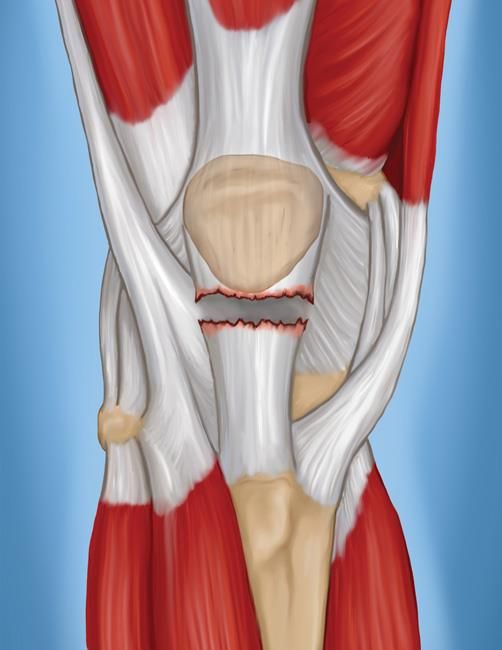
ACL injuries are most common in high-impact sports or activities that involve sudden stops, sharp turns, jumps, or twisting movements of the knee. Typical symptoms include intense pain, rapid swelling, instability of the joint, and difficulty bearing weight or walking. These injuries may vary from mild sprains to complete ligament tears that often require surgical treatment.
Key Highlights:
Frequently occur in high-risk sports such as soccer and basketball
Caused by sudden direction changes, jumps, or awkward landings
Symptoms include pain, swelling, and reduced mobility
Knee instability is a hallmark sign of ACL injury
Difficulty in walking or bearing weight indicates severity
Diagnosing an ACL Injury
To accurately confirm an ACL injury, our specialists perform a detailed physical examination and use advanced diagnostic imaging such as X-rays and MRI scans. These assessments help determine the extent of ligament damage and any associated bone involvement. Based on the results, we design a personalized treatment plan tailored to each patient’s needs, ensuring the best possible recovery outcomes under the guidance of our experienced orthopedic team.
Key Highlights:
Comprehensive physical examination to check knee instability
MRI scans to identify ligament tears or damage
X-rays to evaluate bone alignment and structure
Customized treatment plans based on diagnosis
Expert orthopedic team dedicated to patient recovery
Arthroscopic ACL Reconstruction Procedure
During the surgery, the orthopedic surgeon uses an arthroscope (a small camera) to precisely repair or reconstruct the torn ACL. The ligament is replaced with a graft, either taken from the patient’s own body (autograft) or from a donor (allograft). This minimally invasive approach requires only small incisions, reducing tissue damage and speeding up recovery. In most cases, it is performed as an outpatient procedure, allowing patients to return home the same day and resume normal activities much sooner compared to traditional open surgery.
Key Highlights:
Arthroscope-assisted surgery ensures high precision
Small incisions minimize trauma to surrounding tissues
Grafts used: autograft (self) or allograft (donor)
Often performed as an outpatient procedure
Faster recovery and return to activity than open surgery
The knee joint is a highly complex structure made up of bones, ligaments, tendons, and supporting tissues that work in harmony. An untreated ACL tear can disrupt this balance, leading to long-term complications. Seeking timely treatment is essential to preserve knee stability and prevent further damage. Delayed care may result in the following consequences:
Key Risks of Delayed Treatment:
Chronic ACL deficiency affecting daily activities
Increased knee instability and reduced mobility
Frequent episodes of the knee “giving way”
Persistent and severe pain
Early onset of osteoarthritis
Recovery starts almost immediately after surgery, focusing on restoring knee strength, flexibility, and stability. Most patients begin light physical therapy within a few days and gradually progress to strength training and functional exercises. Depending on the severity of the injury and individual progress, patients can usually return to light activities within a few months, while a safe return to sports or high-impact activities is expected within 6–9 months. Consistent therapy, monitoring, and support are vital for achieving a complete recovery.
Key Recovery Steps:
Physical therapy initiated within days after surgery
Progressive strengthening of knee and surrounding muscles
Gradual increase in activity level under supervision
Safe return to sports typically within 6–9 months
Continuous monitoring and guided rehabilitation support
We design customized rehabilitation plans tailored to each patient’s unique needs and recovery goals. Post-surgery care is centered on reducing swelling, restoring range of motion, and strengthening the surrounding muscles for improved knee stability. Our dedicated team provides continuous guidance, ensuring a safe and effective recovery while minimizing complications and enhancing long-term joint function.
Key Focus Areas:
Tailored rehabilitation programs for every patient
Strength and flexibility as core recovery goals
Close post-surgery monitoring for best outcomes
Effective pain management with improved mobility
Long-term follow-up to track progress and sustain results
Prevention plays a key role in protecting knee health, particularly for athletes and active individuals. Our specialists provide guidance on strengthening exercises that improve stability and reduce strain on the ACL. Emphasis is also placed on proper warm-up routines, wearing supportive footwear, and practicing safe movement techniques to lower the risk of injury or re-injury.
Key Prevention Strategies:
Strengthening exercises to enhance knee stability
Proper warm-up routines before physical activity
Use of supportive, well-fitted footwear
Focus on correct movement techniques and agility
Education on avoiding high-risk actions and habits