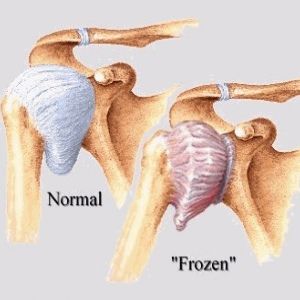




Frozen shoulder, also known as adhesive capsulitis, leads to pain, stiffness, and reduced mobility in the shoulder joint. Symptoms usually worsen gradually and then improve over time, though complete recovery may take up to three years. Physical therapy—focused on restoring shoulder flexibility—is the primary treatment to relieve discomfort and regain motion.
Frozen shoulder most often affects people between the ages of 40 and 60 and is more common in women than men. Individuals with diabetes or thyroid disorders have a higher risk, though the condition can affect anyone. In some cases, it may develop after an injury or surgery.
About Arthroscopy for Frozen Shoulder
Symptoms
Diagnosis
Why Is Treatment Needed?
Recovery
Prevention
Frozen shoulder usually develops gradually and progresses through three stages:
Freezing Stage (2–9 months): Shoulder movements cause significant pain, and mobility becomes increasingly limited.
Frozen Stage (4–12 months): Pain may reduce, but stiffness worsens, making shoulder use more difficult.
Thawing Stage (5–24 months): Shoulder mobility begins to improve gradually, with function slowly returning.
Diagnosis of Frozen Shoulder
Physical Exam: The doctor examines the shoulder and arm, checking range of motion.
Medical History: The doctor reviews medical history and asks about symptoms.
Imaging Tests: MRI, CT scan, X-ray, or ultrasound may be used to confirm diagnosis.
MRI shows thickening of the joint capsule.
Ultrasound shows thickening of the inferior capsule, coracohumeral ligament, rotator interval changes, and restricted motion.
Frozen Shoulder (Adhesive Capsulitis)
Frozen shoulder, or adhesive capsulitis, is a condition that leads to pain and stiffness in the shoulder joint. Treatment is important to reduce discomfort, restore mobility, and preserve range of motion. Without proper care, frozen shoulder may result in long-term pain, persistent stiffness, and significant loss of shoulder function.
Recovery After Frozen Shoulder Surgery
After surgery, physical therapy is essential to maintain the motion gained during the procedure. Recovery usually takes 6 weeks to 3 months. Long-term outcomes are generally positive, with most patients experiencing little to no pain and improved mobility. However, in some cases, shoulder motion may not fully return, and mild stiffness can persist. Though uncommon, frozen shoulder can recur, especially in patients with underlying conditions such as diabetes.
One of the most common causes of frozen shoulder is limited movement of the shoulder during recovery from an injury, fracture, or stroke. If you’ve had an injury that restricts shoulder motion, consult your healthcare provider about exercises to help maintain joint mobility.

Why Choose Dr. Rakesh Kumar
At our clinic, Dr. Rakesh Kumar offers specialized care for frozen shoulder. With extensive experience in orthopedic surgery, he focuses on minimally invasive techniques that promote quicker recovery and better long-term outcomes.

Patients Experience

Procedures

Trauma surgeries
Joint Replacement Surgeries

We value transparency. You may ask about the surgery cost, and we will assist you with the complete treatment process through to recovery.
Frozen shoulder, also called adhesive capsulitis, is a condition marked by pain, stiffness, and tightening of the shoulder capsule due to inflammation and swelling.
The operation usually takes 30 minutes to an hour. Your surgeon makes two small incisions, about half a centimetre each—one at the front and one at the back of the shoulder. A tiny telescope (arthroscope) is inserted through one incision to view the joint, while surgical instruments are inserted through the other to release the tight, thickened capsule. This helps restore mobility and improve shoulder movement.
Simple painkillers and anti-inflammatory medicines, such as ibuprofen, may help manage discomfort, though stronger pain relief is often needed. In some cases, a steroid injection into the shoulder joint can reduce pain and stiffness. Physiotherapy is highly effective in improving movement once pain is under control. Another option, arthrographic hydrodilatation—a high-pressure injection to stretch the capsule—has also been shown to provide relief.
Your pain will ease, and you’ll gradually regain easier movement in your shoulder.
Quit Smoking: Stopping smoking can lower the risk of complications and improve long-term health.
Maintain a Healthy Weight: Being overweight increases the risk of surgical complications.
Exercise Regularly: Gentle exercise can help prepare your body for surgery, aid recovery, and improve overall health. Always check with your healthcare team or GP before starting.
Vaccinations and Hygiene: Discuss any needed vaccinations with your healthcare team to reduce the risk of illness during recovery. Practice hand washing and wear a face covering in the hospital when advised.
Most patients can go home the same day. A sling is not usually required, and you are encouraged to use your shoulder as much as possible. Regaining a good range of movement typically takes around 6 months.
Regular exercises, guided by your healthcare team or GP, will support faster recovery and help you return to normal activities sooner. Most people experience significant pain relief, improved movement, and better shoulder function after surgery.
Healing Joints and Restoring Lives with 17+ Years of Advanced Orthopedic Experience and Dedicated Patient Care
Dr. Rakesh Kumar Clinic © 2025 | Designed by ArtistryMedia