



Severe pain at the fracture site, especially when touched, moved, or under pressure.
Swelling around the injury due to the body’s response.
Visible deformity or abnormal angle in the affected limb.
Difficulty or inability to move the injured part.
Grinding or crackling sensations when broken bone ends rub together.
Numbness or tingling, which may indicate nerve involvement.
Signs of shock, such as cold, clammy skin, rapid breathing, weakness, dizziness, or fainting, particularly with open fractures and significant bleeding.
Inspection: Examine the injured area for deformity, swelling, or bruising.
Palpation: Gently press the area to identify tenderness, deformities, or abnormal movement.
Open Fracture Check: Determine if any bone is protruding through the skin.
Range of Motion Assessment: Evaluate whether the joint or bone can move normally.
Neurological and Vascular Check: Assess for numbness, tingling, pulse changes, or skin color alterations to ensure nerves and blood vessels are not affected.
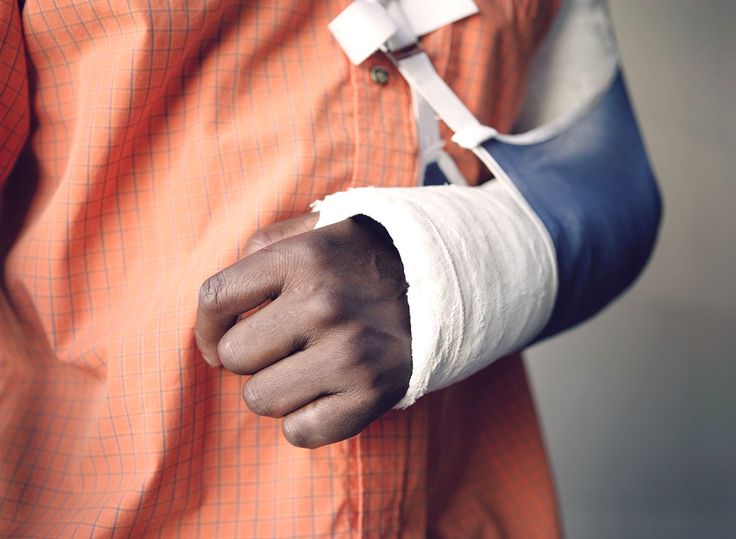
Casting or Splinting: Non-displaced fractures can be treated with a cast or splint to immobilize the bone and allow natural healing.
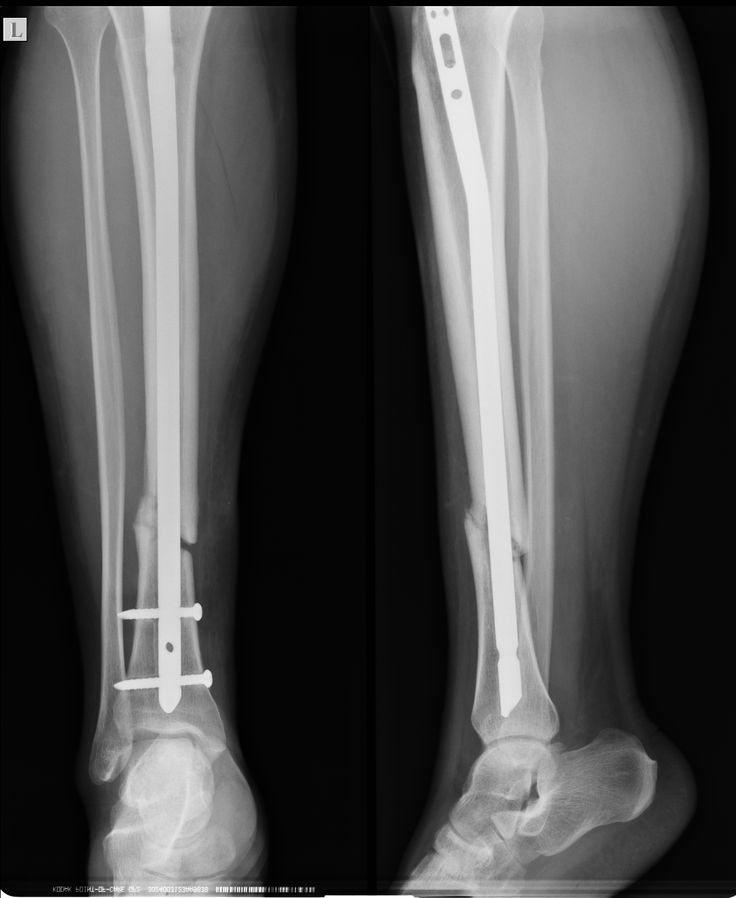
Surgical Intervention: Displaced or complex fractures may require surgery to realign the bones and secure them with plates, screws, or rods.
Follow-Up: Regular check-ups are important to monitor healing, adjust casts or splints, and ensure proper bone alignment.
Fractures often cause significant pain, particularly if the bone is not properly immobilized. Treatment focuses on managing this pain to keep the patient comfortable and support other aspects of care. Fractures can also affect mental well-being, especially when mobility or independence is limited. Effective treatment promotes both physical recovery and a sense of confidence, helping patients return to their normal activities.
For a fracture to heal properly, the bones must be held in the correct position and protected. Shortly after the injury, the body forms a protective blood clot and callus around the fracture. New bone cells begin to grow along both sides of the fracture line, gradually bridging the gap.
Most fractures heal in 6–8 weeks, though healing time varies depending on the bone and individual factors. For example, hand and wrist fractures often heal in 4–6 weeks, while a tibia fracture may take 20 weeks or more.
General principles in rehabilitating a patient with a fracture include:
Treat the patient as a whole, not just what appears on the X-ray.
Mobilize all joints that are not immobilized.
Prevent disuse atrophy of muscles.
Use gravity to assist joint movement when possible.
Stabilize nearby joints to avoid unwanted movement from biarticular muscles.
Overview of Rehabilitation
Rehabilitation is a set of interventions aimed at optimizing function and reducing disability in individuals with health conditions, considering their interaction with the environment.
Connection Between Osteoporosis and Fractures
Osteoporosis weakens bones, increasing the risk of fractures. To help protect your bones:
Consume Enough Calcium: Essential for strong bones.
Get Sufficient Vitamin D: Helps your body absorb calcium.
Engage in Weight-Bearing Exercises: Strengthens bones and muscles.
Prevent Falls: Ensure a safe environment to reduce fracture risk.
Stop Smoking: Smoking weakens bones.
Limit Alcohol: Excess alcohol can affect bone health.
Consult Your Doctor: Regular check-ups for guidance and bone health monitoring.
Pain: The most frequent symptom, varying in intensity depending on the type of injury.
External Bleeding: Common with cuts, punctures, or open fractures.
Contusions/Bruising: Blunt trauma can cause discoloration as blood leaks under the skin.
Swelling: Often occurs around joints, muscles, or soft tissues in response to injury.
Chest Trauma Symptoms: Injuries like rib fractures or lung damage may cause shortness of breath, chest pain, or difficulty breathing.
Physical Examination: Inspect and gently palpate the body to identify bruising, deformities, tenderness, swelling, or open wounds.
Functional Assessment: Check pain levels, joint movement, muscle strength, and neurological function.
Full Body Examination: Assess the head, neck, chest, abdomen, pelvis, extremities, and spine for injuries.
Focused Assessment: Depending on the injury mechanism, special attention may be given to specific areas (e.g., head after a car accident or abdomen after blunt trauma).
Surgical Intervention: Surgery may be needed to repair internal injuries, control bleeding, or fix damaged blood vessels.
Fracture Fixation: Broken bones may require surgical stabilization using plates, screws, or rods to realign and secure them.
Critical Care: Patients with severe or multiple injuries may need ICU care for continuous monitoring of vital signs, oxygen, and fluids.
Bleeding Control: Trauma can cause internal or external bleeding. If uncontrolled, it may lead to shock, organ failure, or death. Treatment includes direct pressure, tourniquets, and blood transfusions to stabilize circulation.
Immobilization: Patients are often immobilized using a backboard or cervical collar to prevent further injury during transport.
Long-Term Care: Trauma can result in deformities, disabilities, or chronic pain from nerve, joint, or muscle injuries. Surgery, rehabilitation, and physical therapy help reduce long-term effects and restore normal function.
Coping with Trauma and Emotional Recovery
Relaxation: Practice yoga, deep breathing, meditation, or activities you enjoy like listening to music or gardening.
Express Your Feelings: Talk to someone you trust or write down your thoughts and emotions. Confront memories or feelings that arise from the trauma rather than avoiding them.
Phases of Emotional Recovery:
Phase 1 – Safety and Stability: Your care team will help plan for your ongoing needs after discharge.
Phase 2 – Remembering and Grieving: Process the trauma and acknowledge your emotions.
Phase 3 – Restoring Relationships: Rebuild connections with others and reintegrate into daily life.
Rehabilitation after trauma helps you regain movement, strength, and skills, while also supporting mental and emotional recovery. It may include assistance for emotional and psychological well-being.
The rehabilitation process typically follows four stages:
Immobilization
Range of Motion (ROM)
Strength
Return to Activity
Each stage is further divided into three components: modalities, exercises, and cardiorespiratory training.
A trauma- and resilience-informed approach focuses on strengthening protective factors, building skills, and fostering social connections, while reducing risk factors and stressors.
Primary Prevention
Primary prevention involves interventions aimed at preventing trauma before it occurs and enhancing resilience in advance. These approaches can be universal (for everyone) or selective (targeted at high-risk groups).
Patients Experience

Procedures
Trauma surgeries
Joint Replacement Surgeries