








Sharda Hospital

SHARDA UNIVERSITY Campus, Plot No. 32, 34, Knowledge Park III, Greater Noida, Uttar Pradesh 201310

Motherland Hospital

NH-01, Amrapali Platinum, Sector 119, Noida, Uttar Pradesh 201305

Dr.Rakesh Kumar

Transform Your Life with Advanced Knee Replacement Surgery – Regain Mobility, Reduce Pain, Live Freely

Regain your mobility and live pain-free with our advanced knee replacement solutions.

Consult a Doctor

Knee Replacement

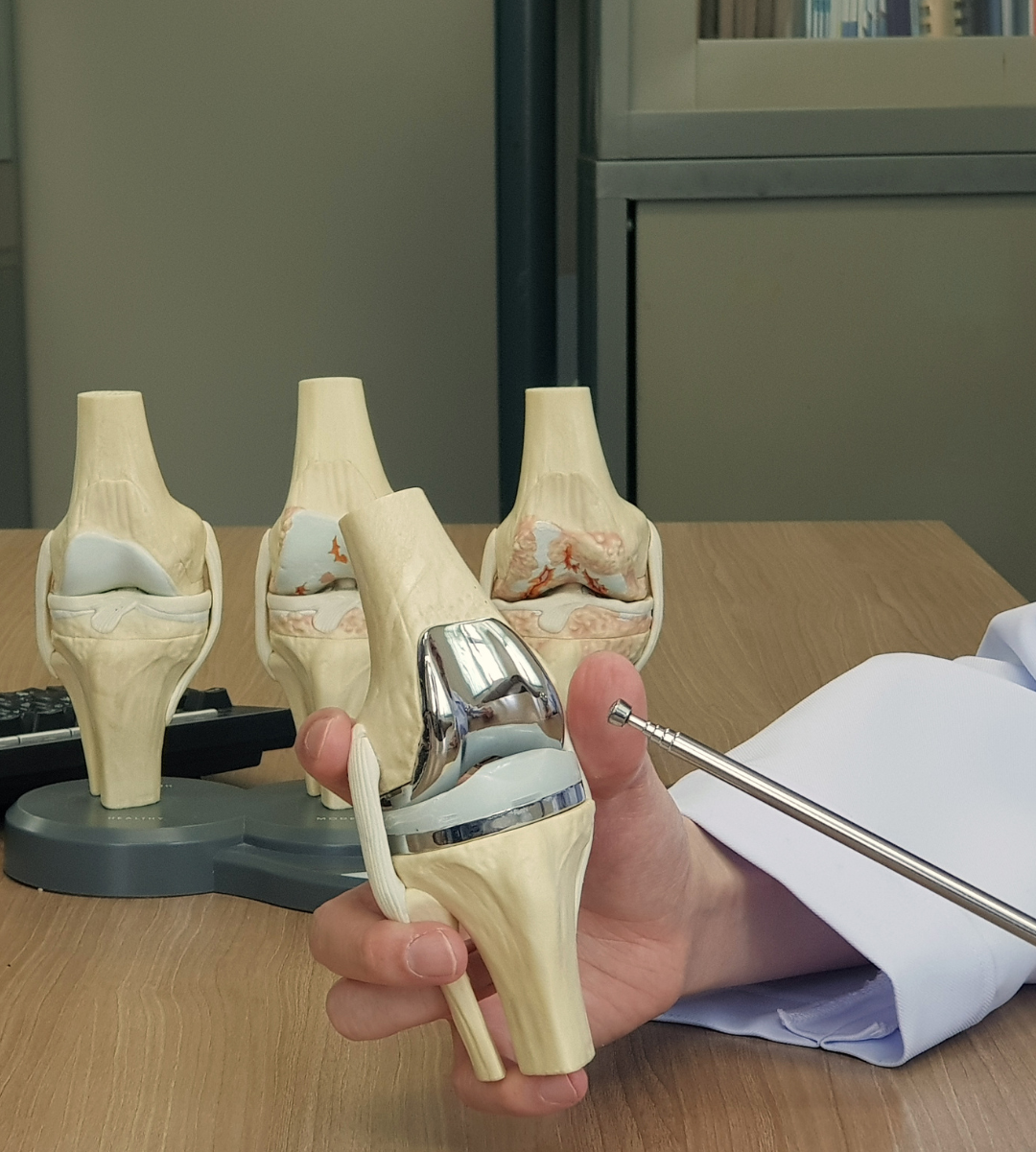
Your body is an intricate framework of bones and joints, each working in harmony to make everyday activities such as walking, running, and climbing stairs possible. Among these, the knee is one of the most vital and complex joints. It forms the crucial connection between the thigh bone (femur) and the shin bone (tibia), enabling smooth movement while supporting the body’s weight. The femur, the longest bone in the human body, is essential for balance, stability, and mobility.

Dr. Rakesh Kumar, a renowned orthopaedic specialist, is dedicated to diagnosing and treating a wide range of knee-related conditions. With advanced medical expertise and a patient-focused approach, he provides effective solutions to help restore mobility, reduce pain, and improve overall quality of life.

Know More

About Knee Replacement

Knee replacement is considered when knee problems severely impact daily life. Common indicators include:

Key Points:

  • Persistent knee pain unrelieved by medication or therapy

  • Significant swelling and stiffness in the knee

  • Reduced range of motion, making bending or straightening difficult

  • Pain that interferes with sleep or daily activities

  • Difficulty walking or bearing weight on the affected leg

Diagnosing the need for a knee replacement involves a comprehensive evaluation of symptoms, physical examination, and imaging studies to assess joint damage.

Key Points:

  • Detailed medical history and review of symptoms

  • Physical exam to assess knee function, alignment, and tenderness

  • X-rays to evaluate bone structure and detect arthritis or joint damage

  • MRI or CT scans for detailed assessment of soft tissues and cartilage

  • Evaluation of functional limitations and impact on quality of life

Knee replacement involves replacing the damaged knee joint with an artificial implant to restore function and relieve pain, using advanced techniques for optimal outcomes.

Key Points:

  • Anesthesia ensures the patient is comfortable and pain-free during surgery

  • Incision is made to access the knee, and damaged cartilage and bone are removed

  • Artificial knee implant is precisely positioned to restore joint function

  • Incision is closed with sutures or staples, and a bandage is applied

  • Post-surgery care focuses on monitoring the knee and managing pain and swelling

Knee replacement is often necessary when non-surgical treatments fail to relieve pain and improve mobility. The procedure addresses severe knee joint damage and enhances overall quality of life.

Key Points:

  • Alleviates severe pain affecting daily activities and quality of life

  • Restores knee function and mobility, allowing a return to normal activities

  • Reduces risk of further joint damage and complications

  • Provides long-term relief for conditions like osteoarthritis and rheumatoid arthritis

  • Improves overall physical and mental well-being by reducing chronic pain

Recovery from knee replacement surgery follows a structured plan to manage pain, restore mobility, and return to daily activities.

Key Points:

  • Initial hospital stay for monitoring and pain management

  • Gradual increase in activity with physical therapy guidance

  • Pain control through medications and ice therapy

  • Regular follow-up visits to track healing and adjust treatment

  • Full recovery and return to normal activities typically within 6–12 weeks

Rehabilitation is a vital part of recovery, emphasizing exercises and therapy to strengthen the knee and restore its function.

Key Points:

  • Physical therapy to improve knee range of motion and strength

  • Customized exercise programs tailored to individual recovery goals

  • Techniques to enhance balance and stability

  • Regular assessments to monitor progress and adjust therapy

  • Guidance on proper techniques and activities to maintain long-term knee health

While knee replacement repairs existing damage, preventive measures help maintain joint health and reduce the risk of future problems.

Key Points:

  • Engage in regular exercise to strengthen muscles supporting the knee

  • Maintain a healthy weight to reduce joint stress

  • Use proper techniques during physical activities to prevent injury

  • Wear supportive footwear and avoid high-impact activities when possible

  • Seek early intervention for knee issues to prevent progression

Hip Replacement

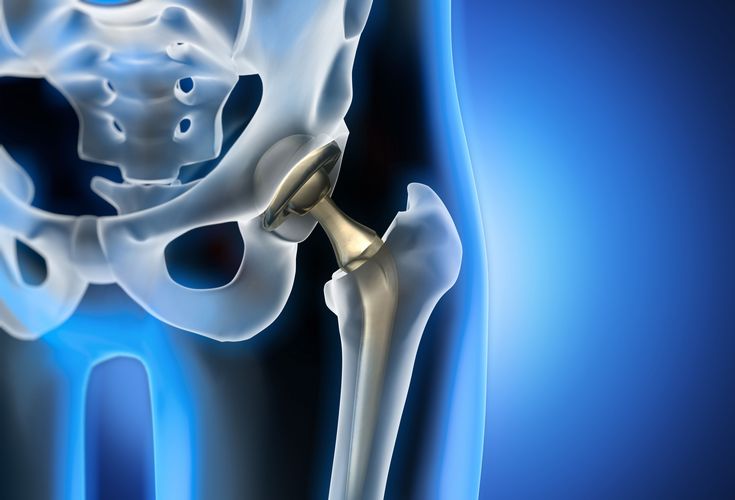
Total hip replacement surgery is an effective procedure that relieves pain and restores mobility for patients with hip joint damage or arthritis. Traditionally, the surgery required a large incision, cutting through muscles, and removing damaged bone, which often resulted in longer hospital stays, extended recovery, and more post-operative discomfort.

Advances in medical technology have made minimally invasive hip replacement surgery possible. This approach uses smaller incisions and preserves surrounding muscles and tissue, leading to less pain, faster recovery, and a shorter hospital stay, making it a preferred alternative to traditional surgery.

Know More

About Hip Replacement

Hip joint issues often present with persistent pain, stiffness, or discomfort in the hip, groin, or thigh. Patients may notice difficulty walking, reduced range of motion, and pain during weight-bearing activities such as climbing stairs or sitting.

Key Points:

  • Persistent hip pain, especially with movement or after activity

  • Stiffness in the hip, groin, or thigh, limiting motion

  • Difficulty walking or climbing stairs without discomfort

  • Pain radiating to the knee or lower back

  • Discomfort that persists even at rest or while sitting

Diagnosis begins with a thorough physical examination by your doctor, combined with imaging techniques like X-rays and MRI scans to evaluate the extent of joint damage. This helps determine if hip replacement surgery is necessary or if alternative treatments may be appropriate.

Key Points:

  • Physical examination to assess range of motion and joint function

  • X-rays to evaluate bone structure and detect joint damage

  • MRI scans to examine cartilage and soft tissues

  • Blood tests to rule out infections or other conditions

  • Detailed medical history to understand symptoms and activity levels

In minimally invasive hip replacement, small incisions are made to access the hip joint. Damaged cartilage and bone are removed, and an artificial joint made of metal, ceramic, or plastic is implanted. This approach minimizes tissue disruption, allowing for faster recovery and reduced post-operative pain.

Key Points:

  • Small incisions for a minimally invasive approach

  • Removal of damaged bone and cartilage

  • Placement of a prosthetic joint made of metal, ceramic, or plastic

  • Reduced tissue damage for less pain and quicker recovery

  • Surgery usually lasts 1–2 hours, with most patients discharged in 2–4 days

Hip replacement surgery is recommended when joint damage becomes severe, leading to chronic pain and limited mobility. If left untreated, it can cause further complications and affect overall quality of life. The surgery restores function, relieves pain, and improves the ability to perform daily activities.

Key Points:

  • Severe pain affecting daily life and quality of life

  • Loss of mobility, making walking, sitting, or standing difficult

  • Risk of worsening joint damage if untreated

  • Relieves chronic pain caused by arthritis or injury

  • Restores joint function, enabling a return to normal activities

After hip replacement surgery, patients typically stay in the hospital for 2–4 days. Walking with assistance is encouraged shortly after the procedure. Full recovery usually takes 6–12 weeks, depending on the individual, with most patients returning to their normal activities within this period.

Key Points:

  • Initial hospital stay of 2-4 days, depending on individual recovery.
  • Patients typically begin walking with assistance within 24-48 hours.
  • Full recovery takes 6-12 weeks with proper rehabilitation.
  • Pain management includes medication and physiotherapy.
  • Gradual return to daily activities as strength and mobility improve.

Rehabilitation is a crucial part of recovery after hip replacement. A personalized physical therapy plan helps restore strength, mobility, and range of motion in the hip joint. Exercises target stability and balance, and consistent adherence to the program is essential for optimal results.

Key Points:

  • Personalized physical therapy plan to strengthen the hip joint

  • Exercises to improve mobility, stability, and balance

  • Regular follow-up appointments to monitor progress

  • Home exercises to continue strengthening after therapy sessions

  • Commitment to rehabilitation enhances recovery outcomes

Maintaining hip health involves keeping a healthy weight, staying active, and performing low-impact exercises to strengthen the muscles around the hip joint. Proper posture and avoiding activities that place excessive strain on the hips help reduce the risk of future joint problems.

Key Points:

  • Maintain a healthy weight to reduce pressure on hip joints

  • Engage in low-impact exercises like swimming or cycling

  • Avoid high-impact activities that strain the hips

  • Practice proper posture to prevent joint deterioration

  • Regular check-ups and early intervention help prevent further hip issues

WHY US?

Why Choose Dr. Rakesh Kumar

Dr. Rakesh Kumar provides expert care in Total Knee Replacement Surgery. With extensive experience in orthopaedic surgery, Dr. Kumar uses advanced surgical techniques and modern technology to ensure faster recovery, minimal discomfort, and long-lasting results for his patients.

50,000+

Patients Experience

25,000+

Procedures

1000+

Trauma surgeries

5000+

Joint Replacement Surgeries

Check Surgery Cost

We believe in transparency. You can enquire about the Surgery Cost and we will help you with complete detailed treatment process till your recovery.

Frequently Asked Questions About Knee Replacement

What is the biggest difference between the Jiffy Knee replacement and a traditional knee replacement?

Jiffy Knee Replacement:

  • Minimally invasive: Only the skin and joint capsule are cut; muscles such as the quadriceps and VMO are lifted, not cut.

  • Smaller incisions and less tissue trauma.

  • Shorter surgery time (around 30 minutes).

  • Less post-operative pain and faster recovery, often allowing patients to walk sooner.

Traditional Knee Replacement:

  • Open surgery: Muscles and soft tissues are often cut to access the knee joint.

  • Larger incisions and more tissue disruption.

  • Longer surgery and recovery time.

  • Higher post-operative pain and slower rehabilitation.

What is total hip replacement surgery?

Total Hip Replacement Surgery is a procedure in which a damaged or diseased hip joint is replaced with a prosthetic implant, typically made of metal, ceramic, or plastic. This surgery is designed to relieve chronic hip pain, restore joint function, and improve mobility, especially in patients with arthritis, injury, or severe joint degeneration.


Who is a candidate for hip replacement surgery?

Candidates for Hip Replacement Surgery are individuals experiencing severe hip pain, stiffness, or reduced mobility caused by arthritis, injury, or joint degeneration. Surgery is usually considered when non-surgical treatments, such as medication, physical therapy, or lifestyle changes, fail to provide relief.


How long does the surgery take?

The surgery typically lasts about 1 to 2 hours, depending on the complexity of the case and whether both knees are being replaced.

What is the recovery time after hip replacement surgery?

Recovery time after hip replacement surgery typically ranges from 6 to 12 weeks. Most patients can start walking with assistance within a few days and gradually resume daily activities. Full recovery, including regaining strength, mobility, and stability, usually occurs within 3 months, though it


What is shoulder replacement surgery?

Shoulder replacement surgery is a procedure in which a damaged or diseased shoulder joint is replaced with an artificial implant, typically made of metal, plastic, or ceramic. This surgery is designed to relieve pain, restore mobility, and improve the function of the shoulder, often for conditions such as arthritis, severe fractures, or rotator cuff injuries.


How successful is the surgery?

Shoulder replacement surgery is generally highly successful, with most patients experiencing significant pain relief, improved range of motion, and better shoulder function. Success rates are typically 85–95%, depending on factors such as the patient’s age, overall health, severity of joint damage, and adherence to post-operative rehabilitation. Long-term outcomes are usually excellent, especially with modern implants and minimally invasive techniques.


Can I resume all my normal activities after surgery?

Most patients can return to daily activities and many recreational activities. High-impact sports and activities may be limited depending on individual recovery and implant durability.

What Our Patients Say​