



Sharda Hospital

SHARDA UNIVERSITY Campus, Plot No. 32, 34, Knowledge Park III, Greater Noida, Uttar Pradesh 201310

Motherland Hospital

NH-01, Amrapali Platinum, Sector 119, Noida, Uttar Pradesh 201305

Dr. Rakesh Kumar

Transform Your Life with Advanced Knee Replacement Surgery

Experience a renewed sense of freedom and comfort with our state-of-the-art knee replacement surgery.

Consult a Doctor

Knee Replacement

Your body is a remarkable network of bones and joints, each playing a vital role in enabling everyday activities such as walking, running, and climbing stairs. Among these, the knee is one of the most important and complex joints. Acting as the crucial connection between the thigh bone (femur) and the shin bone (tibia), it allows a wide range of movements while supporting the body’s weight. The femur, the longest bone in the human body, is key to maintaining balance, stability, and mobility.

Dr. Rakesh Kumar, a highly skilled and experienced orthopaedic specialist, is dedicated to diagnosing and treating a wide spectrum of knee-related conditions. With a focus on delivering exceptional patient care, he employs advanced medical techniques and modern technology to manage issues such as arthritis, ligament injuries, and other joint disorders. Dr. Kumar’s approach combines precision, expertise, and compassionate care to help patients restore mobility, reduce pain, and improve their overall quality of life.

Know More

About Knee Replacement

Knee replacement is often considered when symptoms from knee conditions become severe and affect daily life. Common symptoms that may indicate the need for a knee replacement include:

Key Points:

  • Persistent knee pain that does not improve with medication or physical therapy.
  • Significant swelling and stiffness in the knee joint.
  • Reduced range of motion, making it difficult to bend or straighten the knee.
  • Pain that interferes with sleep or daily activities.
  • Difficulty walking or bearing weight on the affected leg.

Diagnosing the need for a knee replacement involves a thorough evaluation of symptoms, physical examination, and imaging studies to assess the extent of joint damage.

Key Points:

  • Detailed medical history and symptom review.
  • Physical examination to evaluate knee function, alignment, and tenderness.
  • X-rays to visualize bone structure and detect arthritis or joint damage.
  • MRI or CT scans for a more detailed view of soft tissues and cartilage.
  • Assessment of functional limitations and impact on quality of life.

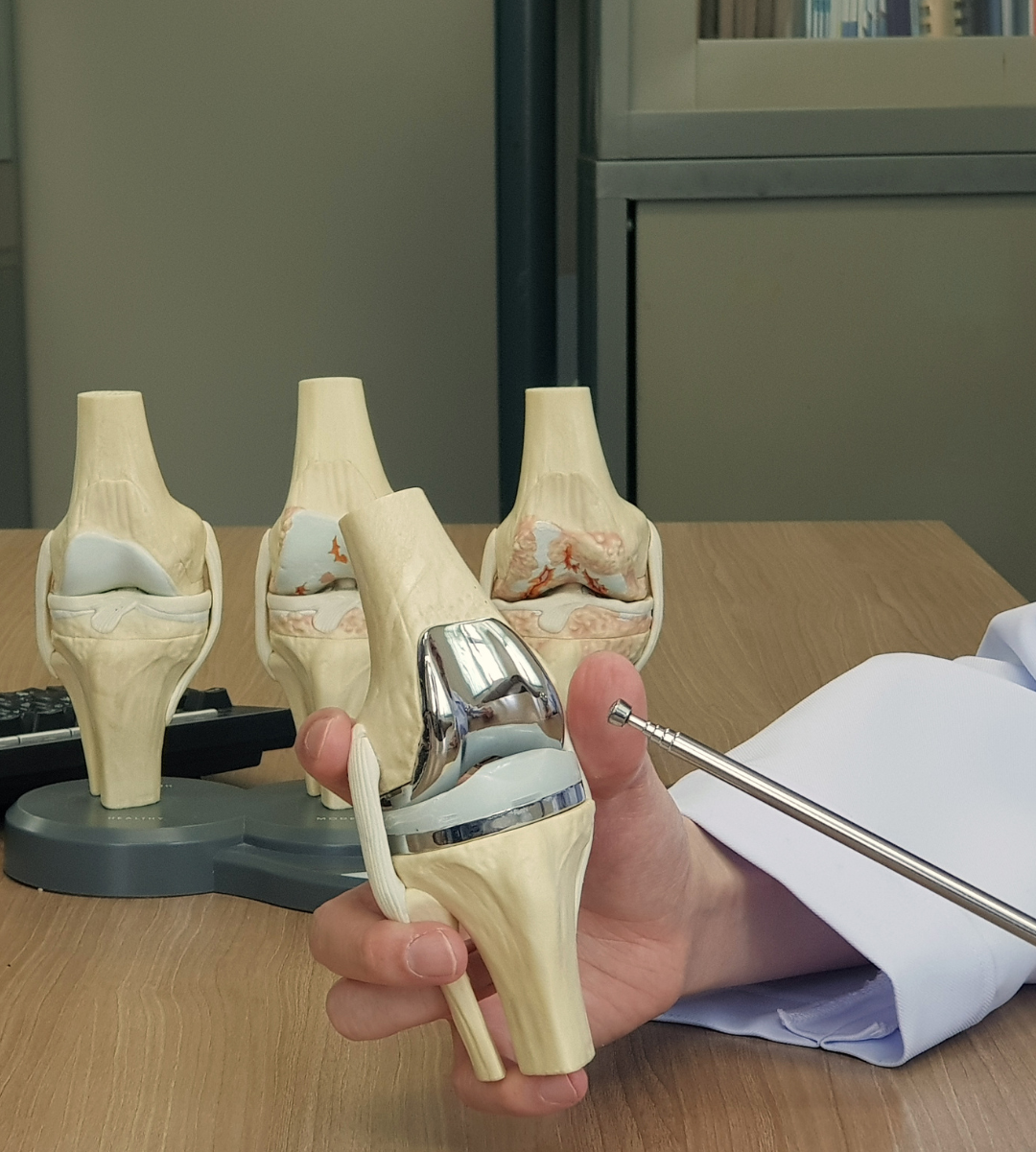
The knee replacement procedure involves replacing the damaged knee joint with an artificial implant to restore function and alleviate pain. The process is performed using advanced techniques to ensure optimal outcomes.

Key Points:

  • Anesthesia is administered to ensure the patient is comfortable and pain-free during the surgery.
  • An incision is made to access the knee joint, and the damaged cartilage and bone are removed.
  • The artificial knee implant is precisely positioned to restore joint function.
  • The incision is closed with sutures or staples, and a bandage is applied.
  • Post-surgery, the knee is monitored and managed for pain and swelling.

Knee replacement is often necessary when other treatments fail to relieve pain and improve mobility. The procedure helps address severe knee joint damage and improve overall quality of life.

Key Points:

  • Alleviates severe pain that impacts daily activities and quality of life.
  • Restores knee function and mobility, enabling a return to normal activities.
  • Reduces the risk of further joint damage and complications.
  • Provides long-term relief for conditions like osteoarthritis and rheumatoid arthritis.
  • Improves overall physical health and mental well-being by reducing chronic pain.

Recovery from knee replacement surgery involves a structured approach to manage pain, regain mobility, and return to daily activities.

Key Points:

  • Initial recovery includes a hospital stay for monitoring and pain management.
  • Gradual increase in activity levels with the assistance of physical therapy.
  • Pain management through medications and ice therapy.
  • Ongoing follow-up visits to assess healing and adjust treatment plans.
  • Full recovery and return to normal activities typically take 6 to 12 weeks.

Rehabilitation is a crucial part of the recovery process, focusing on exercises and therapy to strengthen the knee and restore its function.

Key Points:

  • Physical therapy to improve range of motion and strength in the knee.
  • Customized exercise programs to address specific recovery goals.
  • Techniques to enhance balance and stability.
  • Regular assessments to track progress and adjust therapy as needed.
  • Education on proper techniques and activities to support long-term knee health.

While knee replacement addresses existing damage, preventive measures can help maintain joint health and reduce the risk of future issues.

Key Points:

  • Regular exercise to strengthen muscles supporting the knee.
  • Maintaining a healthy weight to reduce stress on the knee joints.
  • Using proper techniques during physical activities to avoid injury.
  • Wearing supportive footwear and avoiding high-impact activities when possible.
  • Early intervention for knee problems to prevent progression to severe conditions.

WHY US?

Why Choose Dr. Rakesh Kumar

At our clinic, Dr. Rakesh Kumar offers expert care for Total Knee Replacement Surgery. With extensive experience in orthopedic surgery, Dr. Kumar utilizes advanced techniques to ensure a smoother recovery and optimal long-term results.

50,000+

Patients Experience

25,000+

Procedures

1000+

Trauma surgeries

5000

Joint Replacement Surgeries
Check Surgery Cost

We believe in transparency. You can enquire about the Surgery Cost and we will help you with complete detailed treatment process till your recovery.

Frequently Asked Questions About Knee Replacement

What is a total knee replacement?

Total knee replacement is a surgical procedure where damaged or arthritic knee joints are replaced with artificial components to relieve pain and restore function.

Who is a candidate for total knee replacement?

Candidates typically have severe knee pain or dysfunction that limits daily activities and has not improved with other treatments. Conditions like osteoarthritis, rheumatoid arthritis, or knee injuries may qualify a person for this surgery.

What are the risks and complications associated with the surgery?

Risks include infection, blood clots, implant failure, and complications related to anesthesia. Discussing these risks with your surgeon is crucial for a thorough understanding.


How long does the surgery take?

The surgery typically lasts about 1 to 2 hours, depending on the complexity of the case and whether both knees are being replaced.

What should I expect during the recovery period?

Recovery involves hospital stay, pain management, physical therapy, and gradually increasing activity. Full recovery usually takes 6 to 12 weeks, with continued improvement over the first year.

Will I need physical therapy after the surgery?

Yes, physical therapy is essential to regain strength, flexibility, and function in the knee. Your rehabilitation plan will be tailored to your specific needs and progress.

How long do knee replacements last?

Modern knee implants can last 15-20 years or more. The longevity of the replacement can be influenced by factors such as the patient’s activity level and adherence to rehabilitation.

What are the signs that my knee replacement may not be functioning properly?

Signs of potential issues include persistent pain, swelling, instability, or difficulty moving the knee. If you experience these symptoms, consult your surgeon.

Can I resume all my normal activities after surgery?

Most patients can return to daily activities and many recreational activities. High-impact sports and activities may be limited depending on individual recovery and implant durability.

How should I prepare for total knee replacement surgery?

Preparation includes pre-operative assessments, discussing the procedure with your surgeon, arranging for post-surgery help at home, and following pre-surgery instructions for diet and medications.

What Our Patients Say​