



Sharda Hospital

SHARDA UNIVERSITY Campus, Plot No. 32, 34, Knowledge Park III, Greater Noida, Uttar Pradesh 201310

Motherland Hospital

NH-01, Amrapali Platinum, Sector 119, Noida, Uttar Pradesh 201305

Dr.Rakesh Kumar

Shoulder Replacement Involves Replacing Damaged Bone with Metal and Plastic Implants

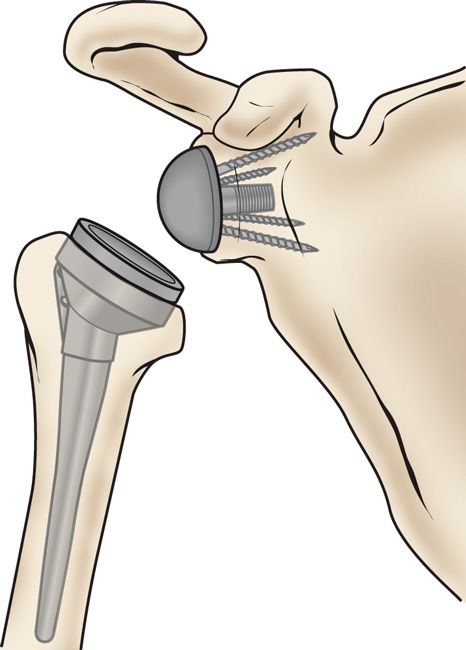
Shoulder replacement involves removing damaged bone and replacing it with metal and plastic implants. This surgery, known as shoulder arthroplasty (ARTH-row-plas-tee), helps restore shoulder function.

Consult a Doctor

Shoulder Replacement

Shoulder replacement, also known as shoulder arthroplasty, involves removing damaged bone and replacing it with metal and plastic implants.

The shoulder is a ball-and-socket joint, where the round head of the upper arm bone fits into a shallow socket. Damage to this joint can cause pain, stiffness, and weakness.

Implants come in various shapes and sizes, with options including partial or total replacement, using either anatomic or reverse designs.

Shoulder replacement surgery is highly successful, with most patients experiencing significant pain relief and improved mobility. Overall satisfaction rates are around 90%.


Know More

About Shoulder Replacement

Shoulder replacement surgery is performed to relieve pain and restore function in a damaged shoulder joint.

Common conditions leading to shoulder joint damage include:

  • Osteoarthritis: Wear-and-tear arthritis that damages cartilage, affecting smooth joint movement.

  • Rotator cuff injuries: Damage to the muscles and tendons surrounding the shoulder can also harm cartilage and bone.

  • Fractures: Breaks in the upper arm bone (humerus) may necessitate replacement, especially if prior fracture repair fails.

  • Rheumatoid arthritis and other inflammatory disorders: Chronic inflammation can damage cartilage and sometimes the underlying bone.

  • Osteonecrosis: Reduced blood flow to the humerus can cause bone collapse, affecting joint integrity.


A doctor evaluates whether shoulder replacement surgery is needed through a combination of physical examination and imaging/tests:

  • Physical Exam: Checks for visible changes in the shoulder, assesses pain levels at rest and during movement, and evaluates range of motion and strength.

  • X-rays: Show joint space narrowing or bone changes to confirm arthritis.

  • CT Scan: Provides detailed images of bone structure and integrity.

  • MRI: Assesses soft tissues, including the rotator cuff tendons and cartilage.

  • EMG or Nerve Conduction Study: Ordered if nerve damage is suspected, to evaluate nerve function.

Shoulder replacement surgery involves replacing the damaged ball-and-socket joint with a prosthetic. The procedure typically follows these steps:

  1. Anesthesia: The patient is given general or regional anesthesia for comfort and pain control.

  2. Incision: A surgical cut is made to access the shoulder joint.

  3. Removal of Damaged Parts: The damaged ball (humeral head) and/or socket (glenoid) are removed.

  4. Insertion of Prosthetic Parts: Artificial components made of metal, plastic, or ceramic are implanted to restore joint function.

  5. Closure: The incision is closed with sutures or staples, and the shoulder is dressed and bandaged.

Shoulder replacement is a surgical procedure that replaces a damaged shoulder joint with a prosthetic to relieve pain and restore function. It is usually recommended when non-surgical treatments fail, and the patient continues to experience significant pain or limited mobility.

Common reasons for shoulder replacement include:

  • Arthritis: Wear-and-tear or inflammatory arthritis damaging the joint cartilage.

  • Shoulder instability: Recurrent dislocations or joint instability causing pain and dysfunction.

  • Severe pain: Persistent pain that limits daily activities despite conservative treatment.

  • Previous injuries: Fractures or injuries that have damaged the joint.

  • Avascular necrosis: Loss of blood supply to the humeral head leading to bone collapse.

Recovery after shoulder replacement varies by individual but generally takes 3 to 6 months for full recovery.

Key Points:

  • Pain and swelling: Expect discomfort and swelling to decrease within the first few days.

  • Physical therapy: Begins within 1–2 weeks to strengthen shoulder muscles and improve range of motion.

  • Activity restrictions: Avoid heavy lifting, sudden movements, reaching overhead, putting your arm behind your back, or using it to push yourself up.

  • Blood thinners: Follow your doctor’s instructions carefully if you are on blood-thinning medication.

  • Pain management: Take pain medication as prescribed by your doctor to ensure comfort and aid recovery.


Rehabilitation aims to restore shoulder function through structured physical therapy, focusing on improving strength, flexibility, and stability. Gradually, functional activities are reintroduced to help you return to daily life with better shoulder health.

Key Points:

  • Customized exercises to restore strength and range of motion.

  • Targeted movements to enhance shoulder flexibility.

  • Strengthening routines to rebuild stability and support.

  • Pain management techniques and medications as needed.

  • Gradual return to daily tasks and activities.

Preventing shoulder injuries involves strengthening the muscles, using proper techniques during activities, and avoiding overuse. Warm-ups, stretching, and ergonomic adjustments help maintain proper alignment and reduce the risk of injury.

Key Points:

  • Strengthen shoulder muscles to support joint stability.

  • Use correct techniques during sports and physical activities.

  • Avoid repetitive strain and overuse of the shoulder.

  • Warm-up and stretch before engaging in intense activities.

  • Maintain proper posture and alignment during daily tasks.

WHY US?

Why Choose Dr. Rakesh Kumar

At our clinic, Dr. Rakesh Kumar provides expert care in Shoulder Replacement Surgery. With years of experience in orthopedic surgery, Dr. Kumar specializes in minimally invasive techniques, ensuring faster recovery and improved long-term outcomes for his patients.

50,000+

Patients Experience

25,000+

Procedures

1000+

Trauma surgeries

5000

Joint Replacement Surgeries

Check Surgery Cost

We believe in transparency. You can enquire about the Surgery Cost and we will help you with complete detailed treatment process till your recovery.

Frequently Asked Questions About Shoulder Replacement

What is shoulder replacement surgery?

Shoulder replacement surgery is a procedure where the damaged parts of the shoulder joint are removed and replaced with artificial components made of metal and plastic. It helps relieve pain, improve movement, and restore function in the shoulder.


Shoulder replacement surgery is usually suggested when non-surgical treatments no longer provide relief from pain or stiffness. Common reasons include:

  • Advanced arthritis

  • Severe rotator cuff tear

  • Complex or severe shoulder fracture

What's the recovery time?

Recovery after shoulder replacement varies for each person, but it generally takes about 3 to 6 months to achieve full recovery.

How successful is the surgery?

Shoulder replacement surgery is very successful at relieving pain, but it’s not perfect. You might still feel some pain when the weather changes or if you’re too active. The amount of improvement in range of motion is less predictable than pain relief. 

What are the prostheses made of?

The metal ball that replaces the humeral ball is usually made of stainless steel, and the stem that attaches it to your arm is usually made of titanium. The glenoid socket is replaced with a polyethylene cup. 

What Do's and Dont's should I follow?

The success of your surgery depends greatly on how well you follow your surgeon’s instructions at home, especially in the first few weeks.

Do’s:

  • Follow your prescribed home exercise program (2–3 times daily for a month or more).

  • Ask for assistance if needed; your doctor can suggest support services.

  • Stick to gradual recovery and respect activity restrictions.

Don’ts:

  • Don’t use your arm to push yourself up from bed or a chair.

  • Don’t overdo exercises, even if you feel pain-free.

  • Don’t lift anything heavier than a glass of water for 2–4 weeks.

  • Don’t play contact sports or do repetitive heavy lifting.

  • Don’t place your arm in extreme positions (like straight out to the side or behind your back) for at least 6 weeks.


When do I start rehabilitation?

Your rehabilitation therapist will begin working with you the day after surgery. Managing pain is very important for recovery. Your nurse will provide pain medication about 30 minutes before therapy sessions to help you perform your exercises effectively.

Once you return home, it is essential to continue these exercises as instructed to support healing, improve mobility, and regain strength.


Will I be prescribed physical therapy? How long will therapy last?

Yes, we will prescribe physical therapy after surgery. Typically, therapy continues for about two months following the operation, though some patients may require a longer duration depending on their recovery progress.


Is it very often that patients need both shoulders replaced?

Most people who develop arthritis on one side develop it on the other side as well. Most often one side hurts worse than the other and so many patients opt for both shoulders to be replaced but it is usually a couple years between the two operations.

What Our Patients Say​